Drunken Noodle Near Me: A Local Search Guide for Food Lovers
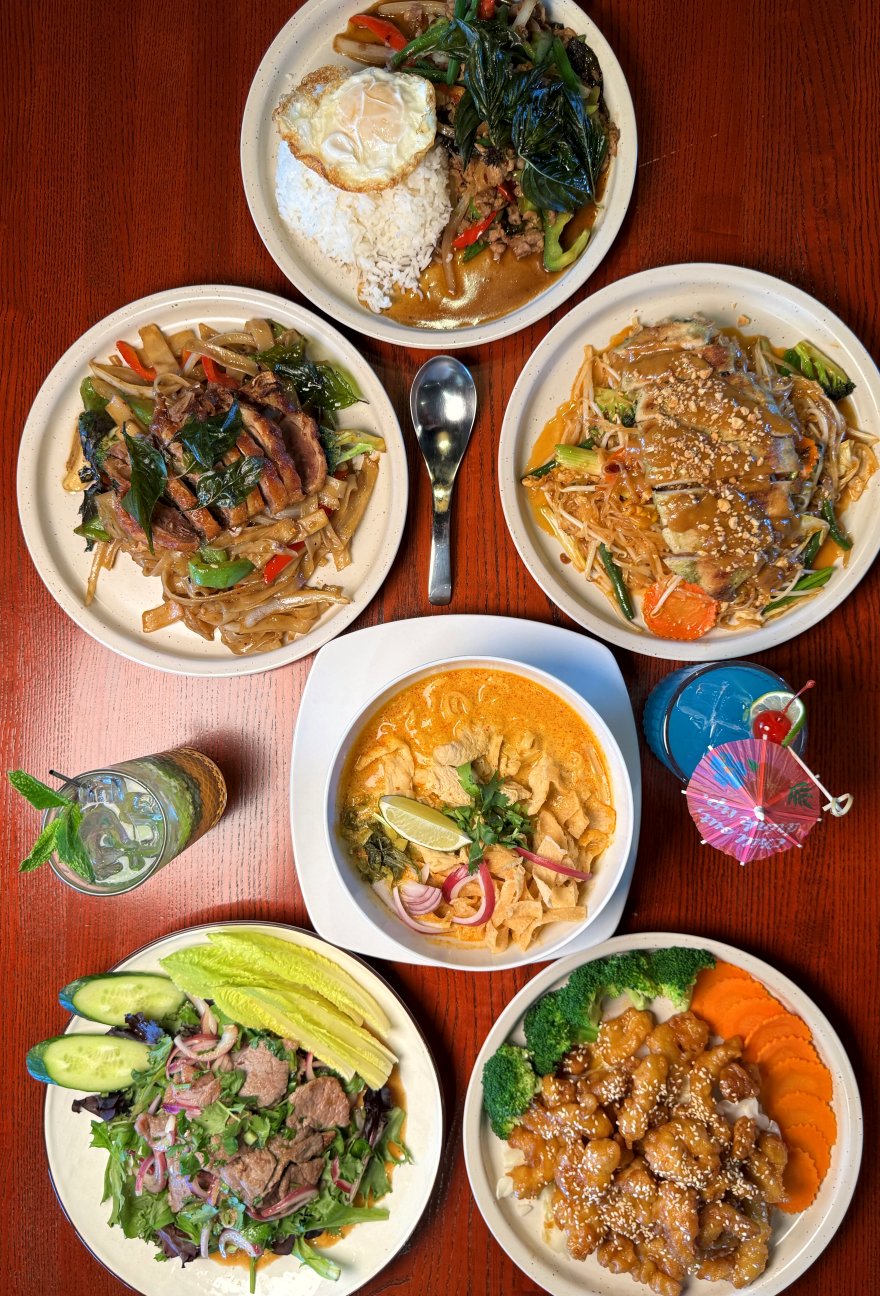
Few cravings are as specific as the urge for a hot plate of drunken noodle. You are not looking for just any takeout. You want wide rice noodles with a little chew, a glossy sauce that lands somewhere between savory and sweet, enough heat to wake up your palate, and basil that still tastes fresh instead of tired. The problem is that typing “Drunken Noodles Near Me” into a search bar often gives you a long list of Thai restaurants without telling you which ones actually understand the dish.
That gap matters more than people think. Drunken noodle is one of those menu items that exposes a kitchen quickly. It looks simple on paper, but the difference between a forgettable version and a memorable one comes down to timing, wok heat, noodle handling, sauce balance, and restraint. A cook who gets pad see ew right can still miss on drunken noodle if the chili level is blunt, the vegetables are overcooked, or the basil is an afterthought.
If you love Thai food and want better odds on your next order, local search needs a sharper strategy than scrolling through star ratings and hoping for the best. The best bowl, or rather the best plate, is often hiding in plain sight. Sometimes it is in a modest strip mall. Sometimes it is in the restaurant with average décor and excellent turnover. Sometimes it is the place whose photos are slightly messy because the food is made fast and served hot.
What drunken noodle should taste like
Before you can find a great version nearby, it helps to know what you are hunting for. Drunken noodle, often associated with pad kee mao, usually centers on broad rice noodles stir-fried with chili, garlic, vegetables, protein, and Thai basil. Depending on the kitchen, you may also get green beans, bell peppers, onions, baby corn, or tomatoes. The sauce often leans on soy-based seasoning, fish sauce, oyster sauce, and a touch of sweetness. The exact formula varies by region, chef, and house style.
The dish should taste loud but not sloppy. Heat should be present, though not every restaurant interprets spice the same way. The noodles should not dissolve into mush or clump into a gummy block. There should be smokiness if the wok station is strong. The basil should add perfume and peppery lift, not simply fill space. Protein matters too. Chicken is common, beef works well, shrimp can be excellent, and tofu is more than a backup option when the kitchen treats it properly.
One of the easiest ways to identify a weak version is to notice what dominates. If all you taste is sugar, the dish has drifted off course. If sodium smothers every other note, the sauce is doing too much heavy lifting. If there is no aroma from basil and no bright edge from chili, you are basically eating dark noodles with vegetables. That can still be satisfying on a busy weeknight, but it is not the dish most people are craving when they search for Drunken Noodles Near Me.
Why local results often steer you wrong
Search engines are good at proximity. They are less reliable at nuance. A place can rank well because it is nearby, because it has strong delivery volume, or because it is excellent at marketing. None of those things guarantee a proper drunken noodle.
Photos can also mislead. A beautifully plated image may come from a dine-in dish styled under warm lighting, while your late-night delivery arrives steamed soft in a sealed container. Review scores have their own blind spots. A restaurant with 4.7 stars may earn those ratings largely from pad thai, boba, or lunch specials. Meanwhile, a 4.3-star neighborhood favorite might produce a far stronger Drunken Noodle because regulars know exactly what to order.
Another issue is menu inflation. Some restaurants carry huge pan-Asian menus with Thai, sushi, teriyaki, pho, and curry all living side by side. That does not automatically mean the food is bad, but it does mean you should look harder at item-level evidence. A specialist kitchen often gives clearer signs. A broader menu can still work, especially in urban neighborhoods where space and economics shape restaurant models, but it asks more from your judgment.
How to read a menu like someone who knows the dish
A menu reveals more than most diners realize. If a restaurant lists drunken noodle with care, you can often spot whether the kitchen treats it as a real house dish or just a checkbox.
Look at how many noodle dishes appear and how they are described. A menu that includes pad thai, pad see ew, pad woon sen, and drunken noodle usually signals a kitchen with some stir-fry range. If the restaurant also offers adjustable spice levels and a meaningful protein selection, that is another good sign. If the menu mentions Thai basil by name rather than saying only “mixed vegetables,” the kitchen probably understands the flavor profile it is trying to deliver.
Pay attention to substitutions, too. Some restaurants quietly swap in spaghetti-like rice noodles or use standard basil when Thai basil is unavailable. That is not always a dealbreaker, especially in smaller markets where sourcing can be inconsistent, but it helps set expectations. A place that is transparent about ingredients tends to care more about the result.
Descriptions matter in smaller ways as well. Menus that mention chili, garlic, broad noodles, or wok-fried preparation often sound more grounded than vague one-line entries. You are not looking for poetry. You are looking for evidence that someone wrote the dish description because they know what is in the pan.
The review details that actually help
When people search “Drunken Noodles Near Me,” they often skim the top three reviews and make a choice. That is understandable, but not very efficient. Star ratings only become useful once you filter for the right signals.
The best reviews mention specifics. A helpful diner might note that the noodles had good char, that spice level three felt genuinely hot, or that the basil stayed fragrant even in takeout. Those details are worth more than twenty comments saying “great food” or “fast delivery.” Watch for reviewers who compare the dish to versions they have eaten elsewhere. Even if you do not share their exact taste, comparative language gives you something concrete.
Timing also matters. A restaurant can change cooks, ownership, or ingredient suppliers. Reviews from four years ago may tell you very little about the plate coming out tonight. I give more weight to recent comments, especially when several people independently say the same thing over a span of a few months. If three recent reviews mention soggy noodles, believe them. If several note that the dish runs sweet unless you ask for extra spice, that is useful intelligence rather than a flaw in the review system.
One practical trick is to search reviews for the exact dish name rather than the restaurant name. Many platforms let you scan for “drunken noodle” within the review text. That narrows the field quickly and saves you from judging a Thai kitchen by comments about spring rolls.
What the photos can tell you, if you know what to look for
User photos tend to be messy, but they are often more honest than polished menu images. They can tell you about noodle width, vegetable ratio, portion size, and sauce quantity in seconds.
A strong drunken noodle usually looks glossy rather than soupy. The noodles should appear coated, not drowned. If every photo shows a puddle gathering under the dish, the restaurant may be over-saucing. If the noodles look pale and dry with random streaks of dark soy, that can point to uneven seasoning. Watch the vegetables. Bright peppers and onions with a little structure are encouraging. Limp gray vegetables suggest too much holding time or a rushed sauté.
Photos also reveal consistency. One beautiful plate means less than six ordinary but similar ones. When customer images show a stable house style, you know what the kitchen is aiming for. That steadiness matters more than restaurant glamour.
Takeout photography gives another clue: container choice. Wide noodles trap steam. If a restaurant packs them into a small, deep container, the dish may soften on the ride home. A wider clamshell or tray often preserves texture better. It sounds minor, but after enough takeout orders, you start to notice which places understand travel and which cook only for the first thirty seconds after plating.
Calling the restaurant is still worth it
People forget how much a quick phone call can reveal. You do not need to interrogate anyone. Two polite questions can save you money and disappointment.
Ask whether the drunken noodle uses Thai basil and broad rice noodles. Then ask how the kitchen handles spice levels. A confident, straightforward answer tells you a lot. If the person answering sounds unsure about the dish, that may mean the menu is too broad or the front-of-house training is thin. If they answer immediately and mention how the chef usually prepares it, that is encouraging.
Calling also helps if you have preferences that make or break the dish. Some diners want extra basil, less sugar, or vegetables left slightly crisper. A kitchen that is comfortable with those requests likely makes the dish often enough to know how it behaves. A kitchen that says no to every adjustment may still be good, but it gives you less room to fine-tune.
Dine-in versus delivery changes the result
This is where many smart searches go wrong. The best Drunken Noodle in your area may not be the best delivered drunken noodle. Stir-fried rice noodles are sensitive. They keep cooking from residual heat. They steam in transit. Sauce redistributes. Basil loses punch.
If you are evaluating a restaurant for the first time, try the dish in person if possible. You will learn more in one dine-in meal than from three delivery experiments. Wok aroma shows up best at the table. Texture tells the truth immediately. You can also judge whether the vegetables were cooked to order or sat waiting.
That said, convenience matters, and many people order this dish on work nights. When delivery is the plan, favor restaurants within a shorter radius. A fifteen-minute drive can be the difference between springy noodles and a soft mass. Some places also do better with slightly under-saucing for takeout, whether intentionally or not. Over time, you will find that a solid dine-in version does not always survive the trip, while a restaurant that seems merely good at the table may deliver exceptionally well because it understands packaging and pacing.
Signs you have found a promising spot
Sometimes you need a quick filter before committing. These signs usually improve your odds:
- Multiple recent reviews mention the drunken noodle specifically.
- Customer photos show broad noodles, visible basil, and no excess liquid.
- The menu offers thoughtful spice levels and several stir-fried noodle dishes.
- The restaurant is close enough that delivery will not steam the noodles into softness.
- Staff can answer basic ingredient questions without hesitation.
None of these signs guarantees greatness. Together, they often separate the restaurants that truly cook the dish from the ones that merely list it.
Regional differences are real, and they matter
A local search guide should acknowledge something many food lovers learn the hard way: not every market supports the same style of Thai cooking. In major cities with established Thai communities, you may find kitchens serving a version closer to what regulars expect from dedicated Thai eateries. In smaller towns, the dish may be gentler, sweeter, or built around ingredients that are easier to source consistently.
That does not automatically make the local version worse. It simply means you should judge it in context. I have had excellent drunken noodle in places where the basil was slightly different and the heat level was toned down for a broad customer base. I have also had expensive, trend-driven versions in large cities that looked stylish and tasted flat. Authenticity is a useful idea, but execution still decides the meal.
The best approach is to ask what the restaurant does well, not whether it conforms to a single rigid template. A kitchen may produce a compelling house-style Drunken Noodle with cleaner vegetables, a lighter sauce, and slightly less oil than a more traditional rendition. If the noodles are handled well and the flavors are coherent, that restaurant deserves attention.
Spice level is not a personality test
One of the most common mistakes with drunken noodle is ordering it too spicy on the first try. The dish is supposed to have heat, but heat interacts with salt, sweetness, and basil in ways that can flatten the rest of the plate if you overshoot your tolerance.
Every kitchen calibrates differently. “Medium” at one restaurant is “hot” at another. Some places use fresh chilies, others rely more on chili paste or dried flakes. The result can shift from bright and layered to blunt and punishing very quickly. If you are testing a new spot, start one level lower than your usual order unless you already know the restaurant has a restrained hand. You can always add chili on the next visit. It is much harder to enjoy a dish that numbs your mouth before you taste the basil.
This matters even more for takeout because steam can intensify your perception of heat in a closed container. A dish that would feel balanced at the table may hit harder after a ten-minute ride home.
Price tells a story, though not always the one you expect
Drunken noodle prices vary with neighborhood, protein choice, and portion size. In many markets, chicken or tofu versions tend to be the baseline, with shrimp or beef costing more. What matters is not just the number on the menu, but what comes with it.
A higher price can reflect better ingredients, stronger labor costs, larger portions, or a more central location. It can also reflect nothing but branding. A lower price may indicate a good-value neighborhood staple, or it may signal cut corners in protein quality or portion balance. This is where photos and reviews help. If a restaurant charges at the top of your local range but skimps on basil and protein, the dish will feel expensive no matter how well the noodles are cooked.
I usually judge value by whether I would want the leftovers. Great drunken noodle often eats well the next day if reheated carefully in a pan. If the dish turns oily, sticky, or one-note overnight, it was probably only passable to begin with.
When the best option is not the top-ranked option
Food lovers often discover that the strongest local pick is not the one with the biggest online footprint. It may be the family-run spot with an older website, the restaurant tucked behind a grocery anchor, or the place where regulars order by phone instead of app. These restaurants can rank lower simply because they are not optimized for search.
That is why local habits matter. Ask people who actually order Thai food regularly in your area. Bartenders, office workers who do takeout lunches, and rideshare drivers often know which kitchens stay busy for a reason. If an independent place keeps a steady stream of repeat customers ordering noodle dishes on weeknights, pay attention. Traffic patterns often reveal what polished branding hides.
There is also a practical truth about niche cravings: when someone says a place has “the best curry” or “great lunch specials,” that does not tell you much about its Drunken Noodle. Ask the more focused question. You want item-level recommendations, not broad praise.
A smart search process for your next craving
If you want to move from random ordering to thai drunken noodles consistently good results, keep your process simple and repeatable.
- Search nearby Thai restaurants and immediately filter for review mentions of drunken noodle.
- Check user photos for noodle width, basil presence, and sauce level.
- Compare distance and decide whether dine-in or short-range delivery makes more sense.
- Call if you need to confirm ingredients or spice handling.
- Order a standard version first, then customize on your second visit if the base dish is strong.
This approach works because it respects how the dish actually behaves. You are not just picking a restaurant. You are matching a specific preparation to the way you plan to eat it.
The little details that separate good from memorable
After enough plates, certain details become impossible to ignore. Good drunken noodle has rhythm. The noodles are not all the same softness. There is slight resistance, then sauce, then basil, then heat. The vegetables support instead of clutter. The protein belongs in the dish rather than floating on top as an afterthought. A faint wok note lingers. You keep going back for another bite because the plate has movement.
Memorable drunken noodle also ages well over the course of the meal. It does not collapse into monotony after five bites. The spice does not spike and vanish. The sweetness does not build into fatigue. Even the aroma matters. If the basil hits your nose before the fork reaches your mouth, the kitchen is doing something right.
These qualities are hard to capture in an app listing, which is exactly why a better local search strategy pays off. Food lovers are not just seeking convenience. They are trying to reduce the odds of a mediocre meal and increase the chances of finding a dish they will order again without hesitation.
Finding your house favorite
The best result from searching “Drunken Noodles Near Me” is not one successful order. It is finding your local baseline, the place you trust when the craving hits and you do not want to gamble. That favorite might not be perfect in every category. It may run a little salty, or have a smaller portion than you would like, or require asking for extra basil every time. What matters is consistency and character.
Once you find that place, order enough to learn its patterns. Notice whether lunch and dinner differ. See how the dish travels. Try one spice level up or down. Ask for tofu one time, chicken the next, and pay attention to whether the kitchen keeps the balance intact. Good restaurants handle variation without losing identity.
For food lovers, that process is part of the pleasure. A local search is not just a transaction. It is a way of mapping your neighborhood through taste, memory, and repeated comparison. Drunken noodle rewards that kind of attention. When you find a restaurant that gets the noodles right, keeps the basil vivid, and understands how heat should work with savoriness instead of against it, the search stops feeling random. It becomes a habit, and a very good one at that.
Nakhon Luang Thai Kitchen
Address: 805 Village Center Dr, Colorado Springs, CO 80919
Phone number: +17195315175
FAQ About Drunken Noodles Near Me
What makes it drunken noodles?
Drunken noodles, or Pad Kee Mao, get their name from the Thai word khi mao (meaning "drunkard"). They contain no alcohol. The name comes from the idea that the dish is a popular late-night meal to cure a hangover or a great food to eat with a cold beer.
What is the difference between pad see ew and drunken noodles?
While both Pad See Ew and Drunken Noodles use the same wide rice noodles, Pad See Ew is a mild, sweet-savory dish made with dark soy sauce and Chinese broccoli, whereas Drunken Noodles (Pad Kee Mao) are fiery, garlicky, and herbaceous with fresh chilies and Thai basil.
What are traditional drunken noodles?
Traditional drunken noodles, known as Pad Kee Mao in Thai, are a fiery, savory street food stir-fry made with wide flat rice noodles, fresh garlic, lots of hot chilies, meat or tofu, and fragrant holy basil. Despite the name, they contain no alcohol; the dish is traditionally eaten late at night or as a hangover cure because the intense spice helps clear the head.