Drunken Noodles Near Me: Best Spots for Fast, Flavorful Meals

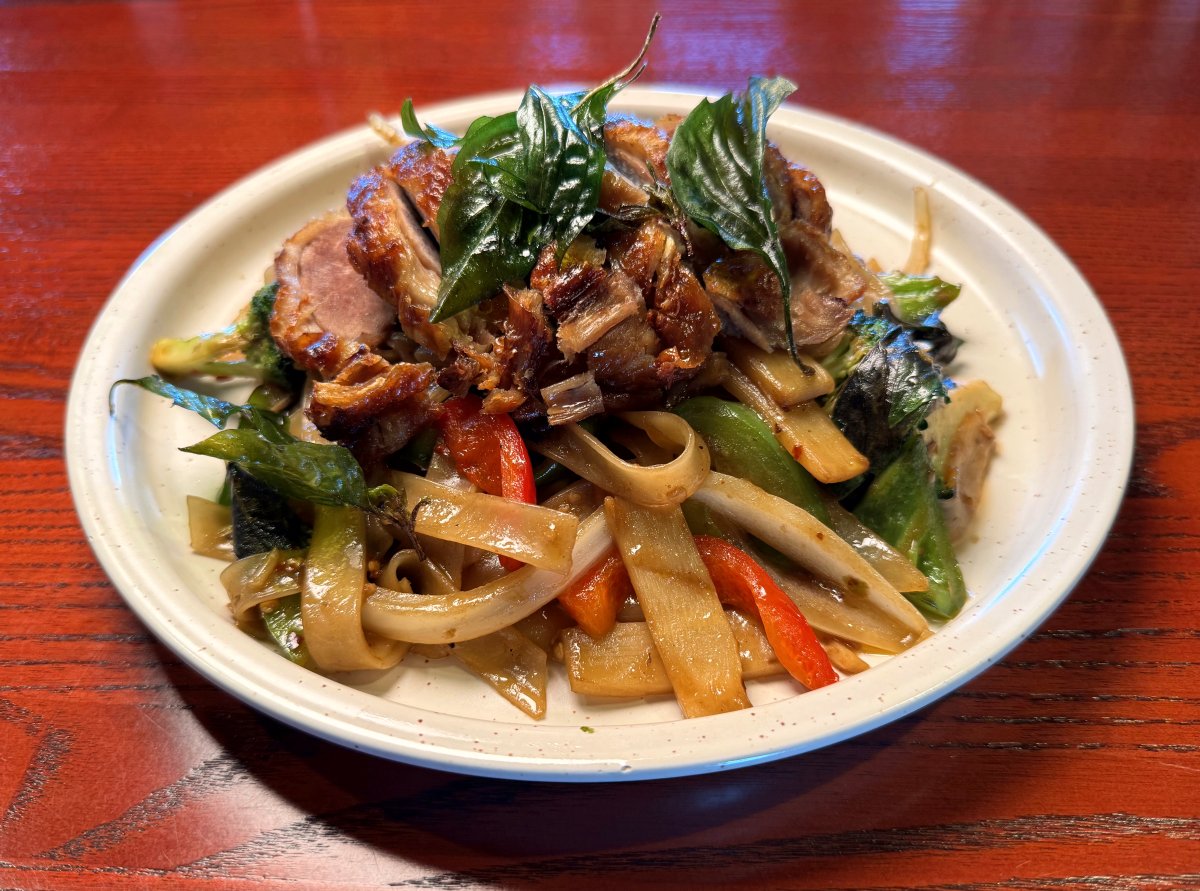
When the craving hits, few dishes satisfy as quickly and completely as a hot plate of drunken noodles. The appeal is easy to understand. Wide rice noodles soak up sauce better than most pastas ever could, basil cuts through richness with a sharp, green lift, and the usual mix of garlic, chilies, vegetables, and protein lands somewhere between comfort food and wake-up call. It is fast food, but it does not feel cheap. It is takeout, but a good version can taste like it was cooked with care.
That is why so many people end up typing “Drunken Noodles Near Me” into a search bar instead of settling for another sandwich or burrito. The dish travels well, cooks quickly, and can flex to fit different moods. Some nights you want extra spice and crispy vegetables after a long day. Other nights you want soft noodles, mild heat, and enough savory depth to make leftovers worth guarding in the fridge.
The tricky part is that not every restaurant makes a strong drunken noodle. Some places serve a balanced, fragrant plate with real wok character. Others send out a clump of sweet soy noodles with a few tired peppers and a lonely basil leaf on top. If you know what to look for, the difference becomes obvious after the first bite.
What drunken noodles should taste like
A proper Drunken Noodle, often listed on menus as pad kee mao, should feel loose and lively rather than sticky and heavy. The noodles are usually broad and flat, with a slightly chewy texture that holds sauce without turning mushy. The flavor profile leans savory first, then spicy, then faintly sweet. Garlic should be noticeable. Thai basil should not feel decorative. It should perfume the whole container.
The best versions carry a little char from high-heat cooking. That wok-fired edge matters more than people think. It gives the dish depth and prevents the sauce from tasting flat. When a cook works fast over strong heat, the vegetables stay vivid and the noodles pick up just enough smokiness to keep each bite interesting.
Texture matters as much as flavor. Good drunken noodles include contrast. Soft noodles meet crisp onion, tender protein, and peppers that still have a little bite. If every component feels the same, the dish turns monotonous fast. This is especially important for takeout, because noodles steam in the container on the ride home. A restaurant that slightly undercooks vegetables and handles sauce with restraint usually delivers a better final result.
Spice level is another tell. Restaurants that understand the dish tend to ask questions. Do you want it mild, medium, hot, or Thai hot? Places that can handle heat properly will adjust the chili level without wrecking the balance. Too often, lower-quality versions rely on sugar and oil to cover up the absence of fresh aromatics. That may produce a quick hit of flavor, but it rarely satisfies for long.
Why this dish works so well for takeout
Some dishes are best eaten in the dining room within two minutes of leaving the kitchen. Drunken noodles are more forgiving. The sauce clings well, the noodles retain heat, and the aromatics continue to bloom in the container. Even after a fifteen-minute drive, a strong order can still taste fresh and punchy.
It also helps that the dish is filling without being fussy. You are not juggling separate sauces, worrying about crisp coatings turning soggy, or racing against a tiny window before the meal falls apart. A good box of drunken noodles can survive the trip from restaurant to couch, office desk, or hotel room with very little loss.
This durability makes it a reliable lunch option too. Office workers know the value of a meal that reheats well. Drunken noodles often do, provided the restaurant does not drown them in oil. Add a squeeze of lime if available, stir once, and the second round can be nearly as good as the first.
The signs of a great spot when searching “Drunken Noodles Near Me”
Most people start with maps, delivery apps, and star ratings. That is reasonable, but ratings alone do not tell the whole story. A place can have solid reviews overall and still serve average noodle dishes. It helps to read with intention.
Look for details in customer comments. When people mention wide noodles, real basil aroma, balanced spice, or smoky wok flavor, that is useful. When every review only talks about portion size, speed, or “food was good,” you do not learn much. Generic praise often hides inconsistency.
Menu structure can also reveal a lot. Restaurants that offer several noodle dishes and let you choose protein, heat level, and add-ons tend to have a stronger command of this category. If drunken noodles feel like an afterthought buried between fried rice and generic stir-fry combinations, expectations should be lower.
Photos help, but only if you know what to notice. A glossy, dark brown pile with almost no visible herbs usually signals a sweeter, heavier interpretation. A better plate often shows red chili flecks, green basil leaves, onion, and broad noodles that look separate rather than compressed into a block.
The fastest way to narrow your options is to pay attention to a few practical markers:
- clear spice-level options on the menu
- visible vegetables and basil in customer photos
- reviews that mention wok flavor or balance rather than just large portions
- fresh noodle texture described as chewy, not mushy
- steady ratings over many reviews, not a burst of recent hype
Those clues do not guarantee excellence, but they dramatically improve the odds.
Fast does not have to mean rushed
One reason drunken noodles appear on so many lunch and dinner shortlists is speed. Stir-fried noodle dishes move fast in a competent kitchen. Once the mise en place is ready, the cooking itself is measured in minutes. That speed can be a gift or a problem.
At a good restaurant, quick service reflects preparation and skill. Proteins are marinated, vegetables are cut evenly, sauce is mixed with purpose, and the cook knows exactly when to push heat and when to pull back. You get food quickly because the kitchen is organized.
At a weaker restaurant, speed can mean shortcuts. Precooked noodles sit too long. Sauce comes from a generic base. Basil gets thrown in at the end with no chance to release aroma. The final plate arrives hot, but not particularly alive.
That distinction matters when you are looking for “best spots for fast, flavorful meals.” Fast is only valuable when flavor survives the process. In my experience, the best Thai spots during busy hours are not always the cheapest or the trendiest. They are often the places that have been serving noodle lunches for years and know how to turn a queue into a meal without flattening the dish.
The role of spice, and why ordering medium is not always safe
Many diners default to medium spice. It feels sensible, almost diplomatic. Yet with drunken noodles, “medium” varies wildly by kitchen. In one restaurant it means a gentle background heat. In another it means enough chili to make your forehead bead up before you reach the second bite.
That variability is part of the dish’s charm, but it can catch people off guard, especially when ordering from a new place. If a restaurant has a reputation for traditional heat levels, medium may be plenty. If reviews suggest the food is toned down for a broad audience, medium may barely register.
There is also a flavor trade-off. More heat is not always better. Too much chili can bury the basil and mute the garlic. Too little can leave the sauce tasting muddy. The sweet spot depends on the kitchen, but it usually lets the aromatics stay audible while the spice builds gradually. For first-time orders, I often recommend asking for mild-medium or medium with extra chili on the side if that option exists. It gives you room to adjust without risking a one-note plate.
Protein choices that actually change the dish
Chicken is the standard for a reason. It absorbs sauce well, stays relatively affordable, and works with the dish’s assertive flavors. Beef can be excellent too, especially when sliced thin enough to stay tender in the wok. Shrimp gives the plate a lighter edge, but only if cooked carefully. Overcooked shrimp turns rubbery fast, and in a noodle dish that texture stands out in a bad way.
Tofu is where restaurant quality becomes easiest to judge. In a strong kitchen, tofu arrives browned at the edges, seasoned properly, and integrated into the dish rather than treated as an obligation. In weaker versions, it shows up pale, waterlogged, and forgettable. If a restaurant can make tofu drunken noodles taste complete, it usually handles the rest of the menu with similar care.
Seafood combinations can be rewarding, but they are also the riskiest takeout option. The longer the trip home, the more likely delicate proteins are to overcook in residual heat. If speed matters and you want the best odds of a great meal, chicken, tofu, or thin-sliced beef usually travel better.
Lunch counter gem or full-service restaurant?
People often assume a polished sit-down restaurant will make a better noodle dish than a quick-service shop. Sometimes that is true. Often it is not. Some of the most satisfying drunken noodles come from compact neighborhood spots with six tables, a humming takeout line, and cooks who have repeated the same motion thousands of times.
A full-service restaurant may offer a broader menu, more comfortable seating, and better beverage options. It may also move more slowly, lean sweeter for mass appeal, or prioritize presentation over wok intensity. A lunch counter or takeout-focused Thai spot, by contrast, often lives or dies by speed and consistency. If the kitchen is set up for volume, noodle dishes can be excellent.
The better question is not what style of restaurant you are ordering from. It is whether that restaurant respects stir-fry fundamentals. Strong heat, fresh aromatics, balanced sauce, and confident timing matter far more than décor.
How to tell if the noodles will hold up on delivery
Delivery adds one more layer of uncertainty. You are not just betting on the cook. You are betting on packaging, route timing, and whether the driver has three other stops before yours. Fortunately, drunken noodles remain one https://maps.app.goo.gl/wEbpDYfz5VjY5inF9 of the safer delivery choices if you order smart.
Containers matter. Wide, shallow packaging helps steam escape better than deep tubs packed tight. When noodles get compressed under trapped moisture, they continue cooking and soften too much. If photos or reviews show the restaurant uses roomy takeout containers, that is a small but meaningful advantage.
Distance matters too. Under twenty minutes is ideal. Beyond that, texture starts to slip, especially if the dish includes lots of sauce. This is one reason the “Drunken Noodles Near Me” search is so effective. Proximity genuinely improves the final meal. A great restaurant across town may still lose to a very good one five minutes away.
Timing can be just as important as distance. Order at 6:15 on a Friday and you may be dealing with peak volume, longer waits, and rushed packaging. Place the same order at 5:00 or 7:45 and you may get a more composed dish. Frequent takeout customers learn this quickly.
Price, portion size, and what value really means
Drunken noodles usually sit in the middle of the menu, not the cheapest item, but rarely the most expensive. In many cities, you can expect a price somewhere in the low teens to low twenties depending on location, protein, and whether you are ordering from a casual storefront or an upscale Thai restaurant. Seafood versions and premium cuts of beef push that number higher.
Value is not just about volume. Oversized portions often compensate for blandness. A mountain of oily noodles looks generous until you realize you do not want a second helping. Better value comes from balance, freshness, and enough protein and vegetables to make the meal feel complete.
That said, portion size does matter if you are ordering for lunch the next day. A well-packed entrée can stretch into two lighter meals, especially if paired with a side of spring rolls or soup. Just remember that reheating works best in short bursts. Noodles do not forgive aggressive microwaving.
Red flags that should lower your expectations
Sometimes the warning signs are subtle. Other times they are impossible to miss. If a menu photo shows spaghetti-like noodles instead of broad rice noodles, the restaurant may be improvising in ways that do not help. If every noodle dish uses the same dark, glossy sauce in customer pictures, expect limited nuance. If reviews repeatedly mention inconsistency, that matters more than a few glowing comments from loyal regulars.
One of the biggest red flags is a menu that tries to be everything at once. A place serving Thai, sushi, burgers, wings, pho, poke, and hibachi from one kitchen can absolutely surprise you, but it often does not. Drunken noodles benefit from focus. A restaurant that specializes, or at least leans clearly into Southeast Asian stir-fries, tends to deliver more reliable results.
Another issue is over-customization. Choice is good, but too many add-ons can hide a weak base. If the menu pushes endless toppings, extra sauces, and novelty proteins, ask whether the core dish is strong enough to stand alone.
If you want the best order, ask for small adjustments
A little strategy goes a long way, especially when trying a new restaurant. You do not need to build a complicated order or micromanage the kitchen. One or two thoughtful requests can improve the meal noticeably.
- ask for basil and vegetables to be kept generous
- request sauce on the lighter side if reviews mention oily noodles
- choose a spice level just below your usual when ordering from an unfamiliar kitchen
- skip fragile proteins on long deliveries
- eat it as soon as it arrives, not forty minutes later
Those adjustments are simple, and they respect how the dish is meant to work.
The difference between a good craving fix and a memorable meal
There is nothing wrong with using drunken noodles as a quick craving fix. That is part of their utility. They are dependable, deeply flavored, and easier to trust than many other takeout staples. But when a restaurant really gets them right, the dish moves beyond convenience.
You notice it in the aroma first. Open the container and basil, garlic, and chili rise immediately. Then the noodles separate cleanly instead of collapsing in a paste. The onions still have shape. The sauce tastes layered rather than merely salty. Heat builds, but flavor stays in front. A forkful leads to another without that heavy, greasy pause where you wonder if you are already done.
Those are the meals that turn a one-time search into a saved favorite. You stop thinking of the dish as a backup plan and start ordering it on purpose.
Finding your local favorite takes a little repetition
People often want a single universal answer to where the best drunken noodles are. Realistically, it is local and personal. The ideal version depends on whether you prefer more basil, more heat, softer noodles, extra vegetables, or a heavier hand with sauce. One neighborhood spot may nail spice but underdeliver on texture. Another may make brilliant noodles but use too little protein. A third may not be the best dine-in experience, yet somehow sends out the strongest takeout in the area.
The only reliable way to find your favorite is to test a few places carefully. Order the same dish from two or three nearby restaurants over a month. Keep the protein and spice level consistent. Notice texture, basil freshness, balance, and how well the meal survives the trip. Patterns emerge quickly.
This is where experienced takeout diners usually separate from casual browsers. They know the best noodle shop for a rainy Tuesday, the place that travels well during lunch, and the restaurant that is worth dining in for maximum wok char. “Best” shifts with context. That nuance matters more than any single app ranking.
Why drunken noodles keep earning repeat orders
Some meals are exciting once and forgettable after that. Drunken noodles tend to do the opposite. The dish has enough complexity to stay interesting and enough familiarity to stay comforting. It scratches several cravings at once, spice, salt, chew, warmth, freshness, without requiring a special occasion or a long wait.
That is why the search for “Drunken Noodles Near Me” keeps happening in office towers, apartment buildings, suburbs, and hotel rooms every day. People are not just looking for something fast. They are looking for something that feels complete. A good Drunken Noodle delivers exactly that.
When you find a restaurant that balances heat, basil, texture, and speed, hold onto it. Save the number. Reorder with confidence. Tip well. Great noodle spots do not stay secret for long, and once you know what a truly well-made plate tastes like, the mediocre versions become much easier to leave behind.
Nakhon Luang Thai Kitchen
Address: 805 Village Center Dr, Colorado Springs, CO 80919
Phone number: +17195315175
FAQ About Drunken Noodles Near Me
What makes it drunken noodles?
Drunken noodles, or Pad Kee Mao, get their name from the Thai word khi mao (meaning "drunkard"). They contain no alcohol. The name comes from the idea that the dish is a popular late-night meal to cure a hangover or a great food to eat with a cold beer.
What is the difference between pad see ew and drunken noodles?
While both Pad See Ew and Drunken Noodles use the same wide rice noodles, Pad See Ew is a mild, sweet-savory dish made with dark soy sauce and Chinese broccoli, whereas Drunken Noodles (Pad Kee Mao) are fiery, garlicky, and herbaceous with fresh chilies and Thai basil.
What are traditional drunken noodles?
Traditional drunken noodles, known as Pad Kee Mao in Thai, are a fiery, savory street food stir-fry made with wide flat rice noodles, fresh garlic, lots of hot chilies, meat or tofu, and fragrant holy basil. Despite the name, they contain no alcohol; the dish is traditionally eaten late at night or as a hangover cure because the intense spice helps clear the head.