Where to Get the Best Drunken Noodle Near Me for Takeout
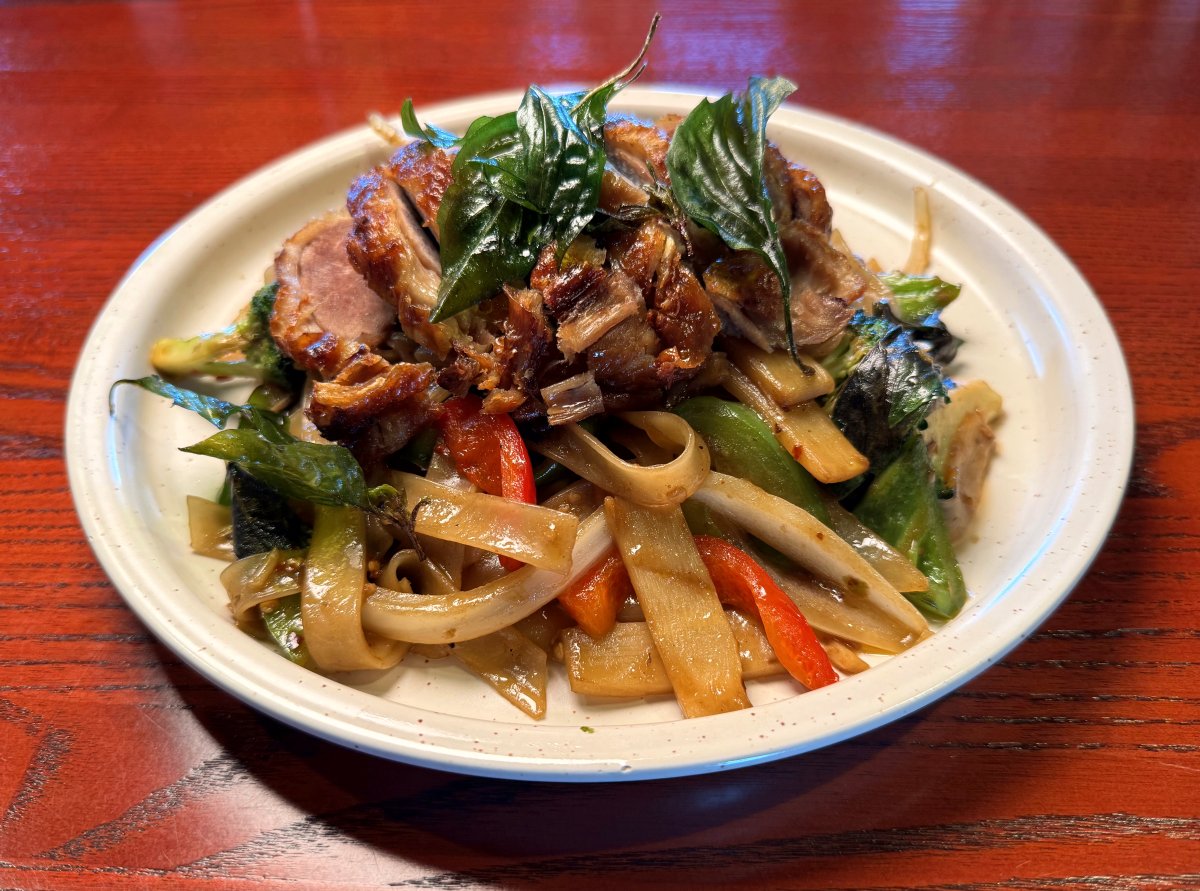

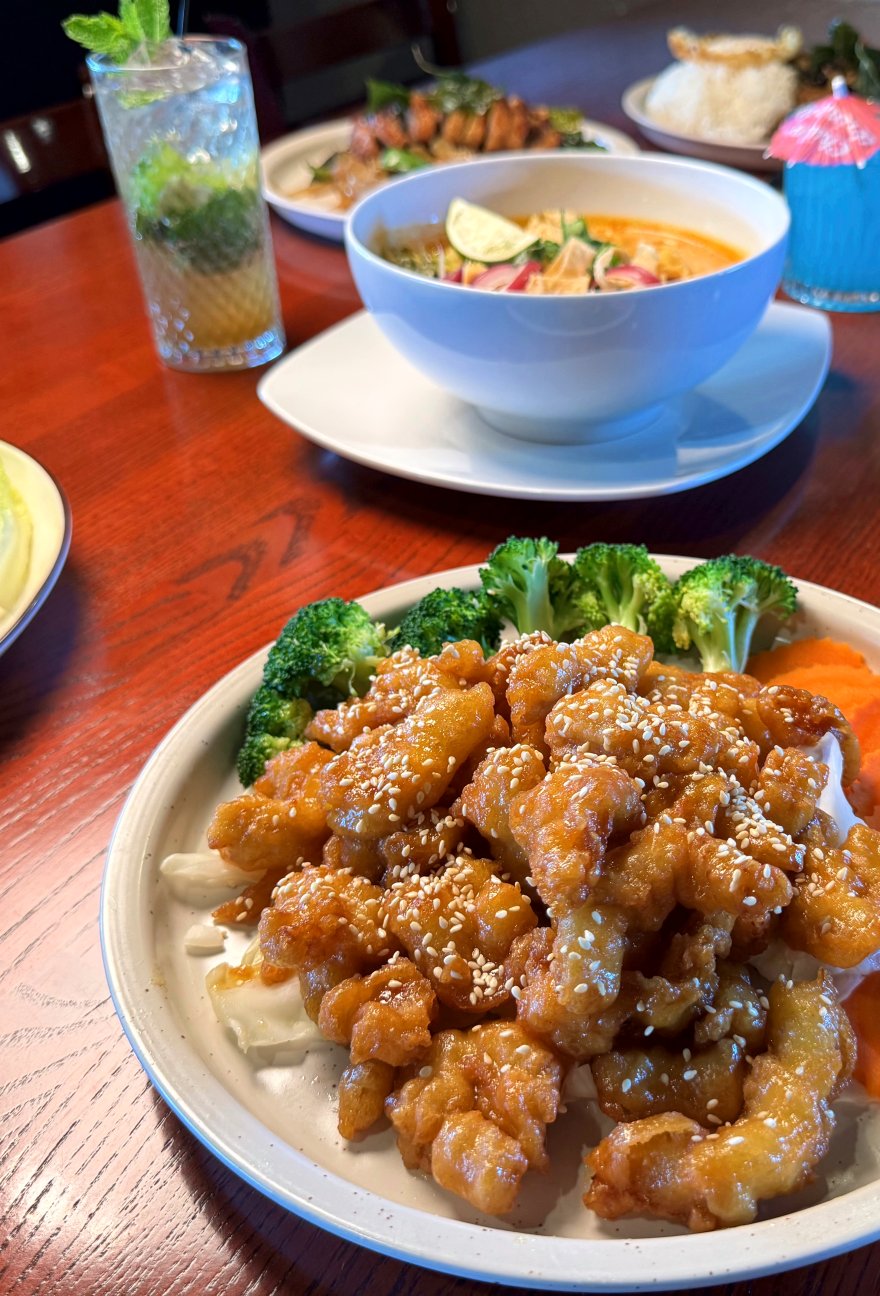
Few takeout dishes reveal a Thai kitchen’s skill faster than a well-made Drunken Noodle. It looks simple at first glance, broad rice noodles, sauce, basil, vegetables, your choice of protein. Then you get one order that is glossy, smoky, springy, and deeply savory, and another that is limp, sweet, and clumped into a single slab by the time you open the container at home. That gap is exactly why finding the best Drunken Noodles Near Me takes more than tapping the closest listing in a delivery app.
For takeout, Drunken Noodle is both forgiving and demanding. Forgiving because the dish carries bold flavor and travels better than some delicate stir-fries. Demanding because timing, wok heat, noodle quality, and packing all matter. A restaurant can serve a solid pad thai and still struggle with Drunken Noodle if the line cook cannot keep the noodles from tearing, over-saucing, or steaming themselves to death in transit.
When people ask where to get the best Drunken Noodle nearby, I usually tell them to stop looking first at star ratings and start looking at signs of kitchen discipline. The best version for takeout is not necessarily from the fanciest Thai restaurant, the newest place on social media, or the one with the longest menu. It usually comes from a kitchen that turns over noodles quickly, understands wok cooking, and knows how to pack hot food so it arrives lively instead of exhausted.
What makes a takeout Drunken Noodle worth ordering
A strong plate of Drunken Noodle should hit a very specific balance. The noodles need chew without gumminess. The sauce should coat rather than drown. The basil should still smell fresh when the lid comes off. The vegetables should keep some bite. If you ordered spice, it should taste like chiles, garlic, and heat, not just a blunt burn sitting on top of sweetness.
For takeout, the best places also account for the extra ten to twenty minutes the dish spends inside a container. Restaurants that understand this often hold back just a little sauce compared with a dine-in plate. They might use a vented lid or avoid stuffing the noodles too tightly into a deep plastic tub. Those details sound minor until you compare two orders side by side. One opens into separate ribbons of noodle with charred edges and aromatic basil. The other releases a cloud of trapped steam and collapses into a sticky mound.
There is also a regional and house-style factor. Some restaurants lean sweeter. Some push heat and fish sauce. Some include baby corn or broccoli, which is common enough in American Thai menus, while others stay closer to onion, bell pepper, and holy basil or Thai basil. None of those choices automatically make a restaurant better or worse. What matters is whether the kitchen cooks with intention and whether the dish still eats well after the drive home.
The fastest way to narrow down good local options
If you are searching “ Drunken Noodles Near Me” on your phone, the goal is not to find the most options. The goal is to rule out weak candidates quickly. Start with the menu itself. A Thai restaurant that treats Drunken Noodle as a core item usually gives it a clear description, often mentioning broad rice noodles, basil, chili, and vegetables. If the description is vague or copied badly across several stir-fry items, that can signal a less focused kitchen or a menu built more for delivery breadth than actual strength.
Photos matter, but not in the usual way. I care less about glamorous marketing shots and more about customer photos taken under terrible apartment lighting. Those pictures tell the truth. Look for noodles that appear distinct rather than chopped up or glued together. Look at the vegetable ratio. Look at whether the basil is visible. If every customer photo shows pale noodles swimming in oily brown sauce, believe the photos.
Reviews can help if you read them with restraint. Do not get hung up on a single complaint about spice level, because spice is subjective and some customers order too timidly, then complain the dish lacks punch. Pay closer attention when several reviewers mention the same structural problems: soggy noodles, bland sauce, overcooked vegetables, tiny protein portions, or inconsistent orders. Consistency is especially important for takeout. You want a place that can send out a strong Drunken Noodle on a Tuesday at 8:15 p.m., not just on a quiet afternoon when the wok station is relaxed.
Here are the signals I trust most when choosing a spot for takeout:
- Multiple customer photos show wide rice noodles that still look separate and glossy.
- Reviews mention wok char, basil aroma, balanced spice, or good texture after delivery.
- The menu is focused rather than sprawling across too many unrelated cuisines.
- The restaurant offers sensible spice choices and clear protein options.
- Recent comments describe reliable takeout packaging and accurate orders.
That last point deserves more credit than it gets. Drunken Noodle is not hard to ruin in the final five minutes. A rushed packer can seal it too tightly, forget utensils or condiments, or let it sit too long before pickup. Restaurants with solid takeout systems usually get the little things right, and those little things preserve the dish.
The telltale signs of a restaurant that understands wok cooking
Great Drunken Noodle starts with heat. If a kitchen can create a little char on the noodles and vegetables without burning the sauce, you are already in better hands than average. That is why busy restaurants often outperform quiet ones for this dish. Constant line movement means the wok station stays hot, ingredients turn over fast, and cooks repeat the dish enough to stay sharp.
A restaurant with a compact menu often does better here than a place trying to be a Thai restaurant, sushi bar, ramen shop, and boba cafe all at once. There are exceptions, but noodle dishes improve when the kitchen’s attention is not spread too thin. If Drunken Noodle sits among several familiar Thai stir-fries, curries, and soups, that is usually a healthier sign than a menu with fifty unrelated categories.
The smell inside the restaurant during pickup tells you a lot too. If you catch garlic, basil, and the dark savory scent of sauces hitting high heat, that is promising. If the place smells mostly sweet, with little aromatic sharpness, the stir-fries may be leaning too heavily on sugar-based bottled sauces. That does not make the food bad, but it rarely produces the kind of Drunken Noodle people remember.
One of the best local Thai spots I used to visit had almost no social media presence and a dining room that looked stuck in 2008. The takeout containers were plain, the website clunky, and the photos uninspiring. Yet their Drunken Noodle arrived every time with noodles that had just enough singe at the edges and basil that survived the trip home. Another newer place across town photographed beautifully, but its noodles came out uniformly soft and oddly sweet three visits in a row. Fancy branding could not hide a cooler wok station.
Why the best takeout version is not always the spiciest
People often treat Drunken Noodle like a heat challenge. That can backfire. Spice is part of the dish’s identity, but heat alone does not make it better. For takeout, extremely high spice can flatten other flavors by the time you eat it, especially if the dish cools a bit in the container and the fat in the sauce starts to settle. What you want is layered heat, chile plus garlic plus basil, anchored by salty and savory notes.
If a restaurant asks you to choose a spice level, I usually recommend going one step below your dine-in preference for the first order. Not because the food will be weak, but because some kitchens spike takeout dishes more aggressively to compensate for transit. Once you know their style, you can adjust. A balanced medium can outperform a reckless extra-hot every single time.
There is also the protein factor. Chicken is reliable, tofu can be excellent if the kitchen sears it well, shrimp cooks fast but can overdo during travel, and beef can be outstanding if sliced thinly enough. Crispy pork, when offered, often delivers the strongest takeout experience because it stands up to sauce without disappearing. The wrong protein choice can make a restaurant seem worse than it is. An otherwise good kitchen may send out dry shrimp or bland chicken if those items are not its strengths.
How to judge a place after your first order
The first bite matters, but do not stop there. A real test of takeout Drunken Noodle is how it eats through the container, because many dishes start strong at the top and get heavy at the bottom. Stir through the order and see whether the sauce distribution holds up. If the last third is flooded, the kitchen over-sauced or the dish steamed too hard in transit. If the noodles break apart into short fragments, they were likely handled too aggressively in the wok or sat too long before packing.
Pay attention to the vegetables. Onions should still taste sweet and sharp, not mushy. Bell peppers should bend without collapsing. Chinese broccoli, if included, should stay pleasantly firm. Basil should remain fragrant even if wilted. Dead basil is one of the easiest ways to spot an order assembled without enough urgency.
The sauce should taste integrated, not poured on. Good Drunken Noodle usually carries soy depth, fish sauce salinity, some sweetness, garlic, and chile heat. If one note dominates, you learn something about the restaurant. Heavy sweetness often signals an Americanized stir-fry baseline. Flat saltiness can mean the sauce was rushed. Oily blandness is usually the worst outcome, because it points to weak wok heat and poor reduction.
If you are deciding whether to reorder, ask yourself a more practical question than “Was it good?” Ask, “Did it travel well enough that I would trust this place on a busy night?” A dish that is excellent only under ideal conditions is less useful than one that is consistently very good for pickup.
Smart ordering moves that improve takeout results
Sometimes the best local Drunken Noodle is not only about the restaurant. It is also about how you order. Small choices can improve the odds dramatically, especially during peak dinner rush.
Use these adjustments when they fit the situation:
- Choose pickup over third-party delivery if the restaurant is more than fifteen minutes away.
- Order the dish at its normal spice level first, then increase or decrease next time.
- Ask for extra basil or extra vegetables only if the kitchen handles custom requests well.
- Avoid adding delicate extras that trap steam, such as a fried egg placed on top for travel.
- Replate and loosen the noodles as soon as you get home instead of eating from the sealed tub.
That last step is worth doing. Open the container right away, toss gently, and let steam escape for thirty seconds. If the noodles need reviving, a quick minute in a hot skillet does wonders. Not every takeout meal deserves that effort, but Drunken Noodle often does. You can rescue texture without sacrificing flavor, especially if the restaurant got the fundamentals right.
When the closest place is not the best place
Convenience matters. Nobody wants to drive forty minutes for noodles on a weeknight. Still, with Drunken Noodle, the nearest option often loses to the restaurant that is ten minutes farther away but cooks with more precision. This dish can survive an extra few minutes of travel if it starts from a stronger wok and smarter packing. It cannot survive sloppy execution just because the drive is shorter.
That said, distance has limits. Once your trip stretches past twenty-five or thirty minutes, even a good order starts to risk steam damage and texture loss. At that point, you have to weigh whether another dish might travel better, or whether you should plan a dine-in visit instead. I have had excellent Drunken Noodle eaten in a car five minutes after pickup and merely decent versions of the same dish after a long ride home. Time changes texture.
Urban and suburban searches play differently too. In dense city neighborhoods, you can compare several Thai restaurants within a short radius and lean harder on photos and reviews. In suburban areas, there may be only one dedicated Thai spot nearby, plus a handful of pan-Asian places. In that case, it helps to call, ask whether they use broad rice noodles for Drunken Noodle, and listen to how confidently they answer. A simple phone call can tell you whether the dish is central to their menu or just another line item.
Price, portion size, and what “best” actually means
The best Drunken Noodles Near Me do not always come from the cheapest restaurant, but price does deserve context. In many markets, a takeout Drunken Noodle with protein sits somewhere in the low-to-upper teens, with seafood or premium proteins pushing higher. A larger portion is not automatically better if it arrives waterlogged. I would rather have a slightly smaller order with vivid basil, clean heat, and noodle integrity than a giant tub that tastes like sweet soy paste.
Value comes from ratio. Are you getting enough protein to matter? Are the vegetables fresh or filler-heavy? Does the sauce taste like it was built in the wok, or like a generic bottle? Does the portion reheat well for lunch the next day? Good Drunken Noodle often makes excellent leftovers if the restaurant keeps the sauce restrained. Bad Drunken Noodle becomes a sticky block overnight.
There is also a ceiling to how premium this dish needs to be. You do not need luxury ingredients for it to shine. You need control, high heat, and balance. That is why neighborhood places with steady regulars often beat trendier restaurants. The cooks know exactly what the dish should taste like, and they can repeat it https://donovanbnzd117.theglensecret.com/best-drunken-noodle-near-me-for-a-spicy-and-savory-meal under pressure.
Red flags that usually mean keep scrolling
Every regular takeout eater develops a personal radar. Mine goes off when a menu uses the same canned description for every noodle dish, when customer photos show chopped noodles instead of long broad ribbons, or when a restaurant has great reviews overall but almost no one mentions Thai stir-fries specifically. General popularity is not enough. You want dish-specific confidence.
Another warning sign is a place that clearly excels at curries but gets lukewarm feedback on noodles. Curries travel beautifully and can lift a restaurant’s ratings even if the wok station is weak. If your goal is Drunken Noodle, filter for comments that mention noodle texture, smoke, spice balance, and fresh basil. Those are the details that matter.
I also get cautious when a restaurant offers too many style mashups for the same dish, like “Drunken Noodle Alfredo” or odd fusion variants, unless the kitchen has an established reputation. Creative menus are not the problem. Lack of focus is. A strong classic version is still the best benchmark.
If you want a dependable favorite, test at the right time
Your first order should not happen during the worst possible conditions. Friday night at 7:30 p.m. Is the hardest environment for any takeout kitchen. If you want a fair read on a new restaurant, try a slightly off-peak pickup time. Late lunch or an early weeknight dinner gives the kitchen a better chance to show what it can do. Once a place proves itself there, you can test whether it holds up during the rush.
Consistency across two or three orders is what turns a candidate into your go-to spot. One excellent dish could be luck. Three good orders with the same texture, same aroma, and same packing care usually means you have found your answer to “Where can I get the best Drunken Noodle near me for takeout?”
That answer may be a polished Thai restaurant with a strong local reputation. It may be a modest strip-mall place with fluorescent lighting and a fiercely competent wok cook. The common thread is not decor, branding, or app ranking. It is execution. For takeout, that means hot wok, disciplined sauce, fresh basil, and packaging that respects the final stretch between kitchen and couch.
Once you find a place that consistently nails those basics, stop gambling on random listings. Save the number, order directly when you can, and treat it like the local asset it is. Great takeout Drunken Noodle is not just a meal. On the right night, it is the difference between eating something merely convenient and eating something you genuinely look forward to all day.
Nakhon Luang Thai Kitchen
Address: 805 Village Center Dr, Colorado Springs, CO 80919
Phone number: +17195315175
FAQ About Drunken Noodles Near Me
What makes it drunken noodles?
Drunken noodles, or Pad Kee Mao, get their name from the Thai word khi mao (meaning "drunkard"). They contain no alcohol. The name comes from the idea that the dish is a popular late-night meal to cure a hangover or a great food to eat with a cold beer.
What is the difference between pad see ew and drunken noodles?
While both Pad See Ew and Drunken Noodles use the same wide rice noodles, Pad See Ew is a mild, sweet-savory dish made with dark soy sauce and Chinese broccoli, whereas Drunken Noodles (Pad Kee Mao) are fiery, garlicky, and herbaceous with fresh chilies and Thai basil.
What are traditional drunken noodles?
Traditional drunken noodles, known as Pad Kee Mao in Thai, are a fiery, savory street food stir-fry made with wide flat rice noodles, fresh garlic, lots of hot chilies, meat or tofu, and fragrant holy basil. Despite the name, they contain no alcohol; the dish is traditionally eaten late at night or as a hangover cure because the intense spice helps clear the head.